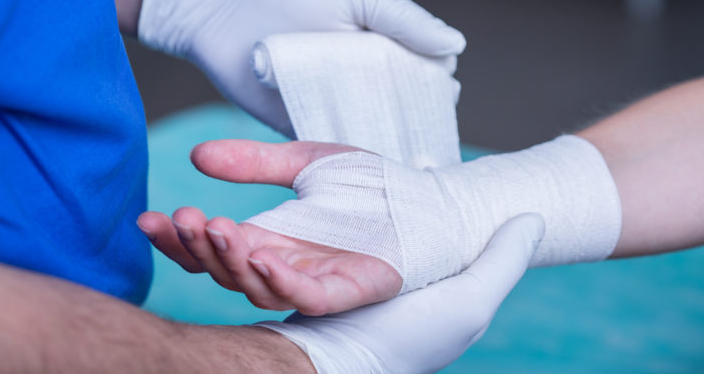
If you or a loved one has suffered a serious injury that was not your fault, then you have rights to file a personal injury claim.
These claims are intended to help you recover from the financial hardships caused by the injury. The resulting medical expenses, repairing or replacing damaged property, and missed work are often too much for most people to afford. Whether the injury was caused by domestic abuse, medical malpractice, or a car accident, you can and should receive compensation from the responsible party.
However, the personal injury claim process is not always straightforward or simple. Negotiating a settlement can be difficult and confusing. Don’t let your rights and settlement money slip away. The better you understand the process, the less stressful it will be.
An experienced personal injury attorney can make sure that you know your options, make smart decisions, and get a fair settlement. No matter what caused a personal injury, these 9 tips will ensure the best settlement outcome.
1: Treat your injuries.
Waiting to seek medical treatment can negatively impact your compensation. So it is crucial to seek medical attention as soon as possible. In doing so, it’s highly recommended that you consistently keep up with your medical treatments and obtain copies of everything for evidence.
2: File a police report.
A police report is another important piece of documentation that can be used as evidence. Include the names of all parties involved, their contact information, location and time of the incident, or any objects used during the incident that are relevant to the case.
3 : Speak strategically.
In a heated moment, it can be easy to let some emotionally driven words be exchanged. It’s important to speak clearly and courteously to others at all times. Remember that they, too, can file a claim and use your words against you.
4 : Gather Evidence.
Every piece of evidence related to your injury adds credibility to your claim. Examples include medical bills, car repair bills, damage assessments, insurance reports, police reports, witness statements, photographs (including photographs of your injuries), voice recordings, and surveillance videos. Having this time-sensitive evidence secured will support your claim and help you win your personal injury case.
 Connie Burleson